- Calling – Vocation
- What is a calling or vocation?
- God calls upon people to do his work on earth, and he does not work alone. Throughout the Old and New Testaments, we see a recurring pattern of how God summoned individuals to serve and help restore humanity. Examples from the Old Testament include the lawgivers, judges, and prophets, while in the New Testament, we have the apostles, prophets, evangelists, pastors, and teachers as further examples.
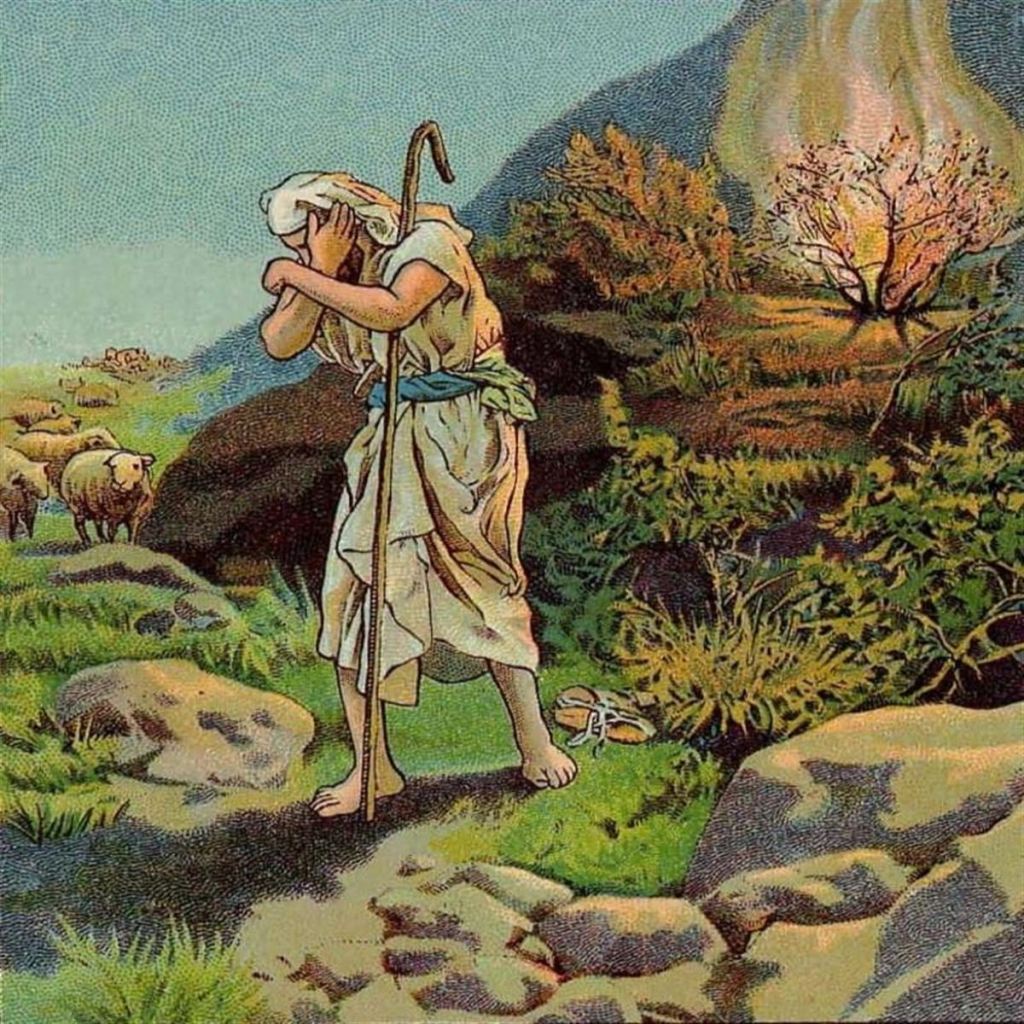
- Luke Bretherton, a theologian, and professor of theological ethics at Duke University, in his book “A Primer of Christian Ethics: Christ and the Struggle to Live Well” (2023) citing American philosopher Robert Adams (1937) states that a call from God is a command, or perhaps an invitation addressed to a particular individual, to act and live in a certain way.
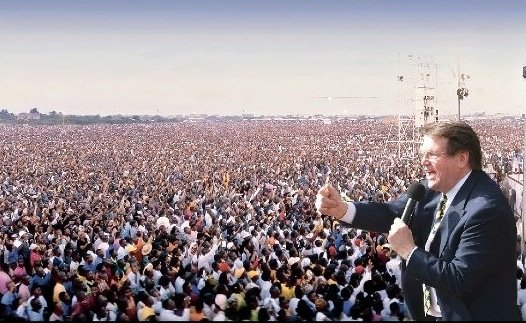
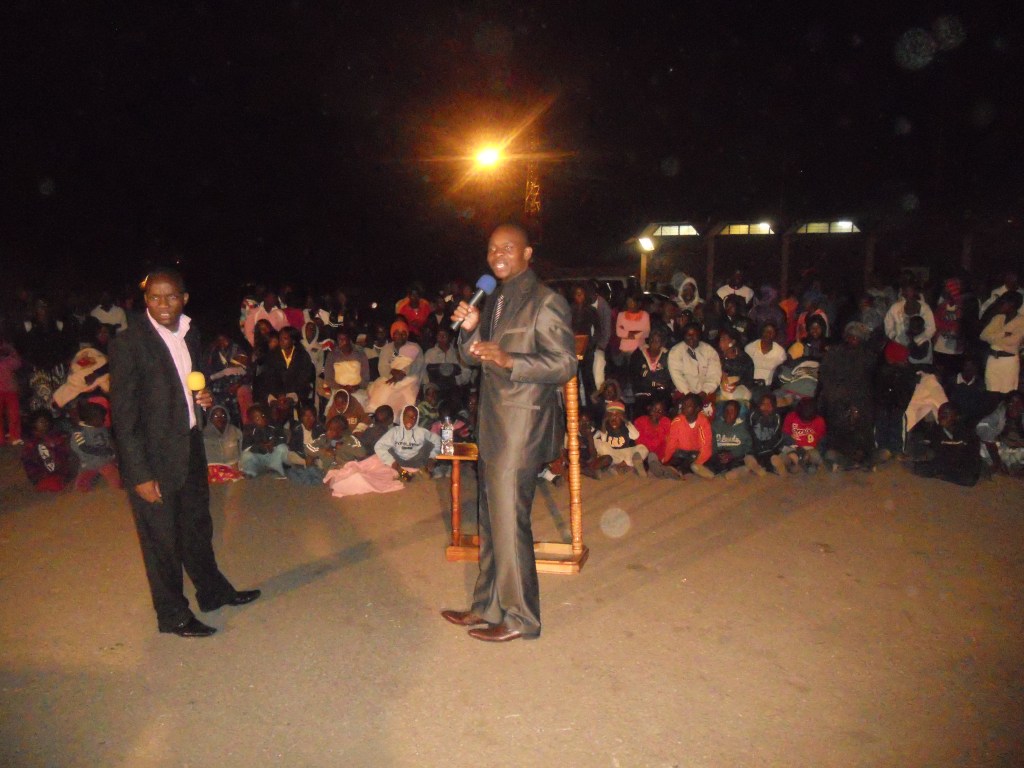
A call is like a vision statement, and God’s commands are like mission statements. For instance, I am called to be an apostle, but what kind of apostle? Paul narrowed down his apostleship to ministering to the Gentiles because that was God’s command. Similarly, someone could be called to be an evangelist, but where should they evangelize? Where is God telling them to go, and what is He commanding them to do? Evangelist Reinhard Bonnke was commanded to leave Europe and evangelize Africa, where he drew the largest crowds ever recorded in the history of world evangelism. His Millennium Crusade in Lagos Nigeria in 2000 was attended by over 1.6 million people in a single day!

- A calling defines our positions as servants of God. Divine commands are God’s orders given to support and make a calling a reality. Obeying divine commands brings joy and a sense of fulfillment.
- According to Luke Bretherton, “Divine commands refer to the actions that we are obliged to take or responsible for undertaking in order to fulfill our relationship with God and our fellow human beings and to participate in God’s love for creation.”
- A person who has received a divine call is more inclined to respond to God’s commands than to people’s opinions and perspectives. Such a person strives to please God above all else, rather than seeking to please people.
- Understanding our calling and constantly obeying divine commands makes us a bringer of good news to the lost. It brings us to a level of sacrificing our freedoms to express God’s love to humanity.
- Hearing God’s call and commands
- Does God tells us what to do?
A man or woman who is called by God should not rely on abstract concepts or general principles to determine their actions in life. Instead, their first priority should be to listen to and obey what God is commanding them to do in the present moment. The prophet Habakkuk serves as a great example of this. He said, ” I will stand at my guard post And station myself on the tower; And I will keep watch to see what He will say to me, And what answer I will give [as His spokesman] when I am reproved.” (Habakkuk 2:1, AMP).
- We hear God’s voice differently. Some of us receive God’s divine callings and commands through dreams, visions, and prophesy – Samuel (1 Samuel 3:2-15), Joseph (Matthew 1:20-21; 2;:13, 19-20,22), Paul (Acts 9:3-6), and Peter (Acts 10:9-23).
- According to Karl Barth, a well-known theologian, we primarily hear the command of God through the following means:
1. Engaging with the canon of Scripture, (2) active interrogation of what it means to participate in creaturely ways of being alive, (3) Actively participating in prayer, (4) dialogue with those from other traditions with whom a common life must be forged and in whom the Spirit may be at work, (5) Experiencing suffering or hearing from those who are marginalized and oppressed, (6) Attending to our fellow hearers of God’s Word, both past and present.
- Thriving in our calling
- In ministry, we can be most effective when we operate within our unique callings, talents, and capabilities. As Apostle Paul states in Ephesians 4:7, “But each of us was given grace according to the measure of Christ’s gift.” Therefore, we must function and operate according to the grace and gift given to us by God. To support the growth and benefit of the church, God has placed apostles, prophets, evangelists, pastors, and teachers within the church (Ephesians 4:11).
“There are individuals who are not specifically called into leadership positions, but they possess the gifts of the Spirit, such as the word of wisdom, word of knowledge, faith, gifts of healings, working of miracles, prophesy, discernment of spirits, different kinds of tongues, and interpretation of tongues. This is stated in 1 Corinthians 12:7-10.”
To succeed in our callings or vocations in life, it’s important to understand the significance of sticking to what we are good at – our gifting. Apostle Paul, in Romans 12:3-8, explains this concept in detail. He urges us not to think too highly of ourselves but to keep a balanced perspective and consider the level of faith that God has given us. Paul compares us to a single body that has many parts, each with a unique function. As individuals, we should work together as one body in Christ, recognizing that we are all interdependent. The gifts we have been given are diverse and vary according to the grace given to us. Some are called to prophesy, others to serve, teach, encourage, give, lead with diligence, or show compassion with cheerfulness.
- To achieve success in our respective callings, we must focus on what God commands us to do and avoid becoming a jack of all trades. Prophet Joel emphasized the importance of staying true to our calling without interfering with each other:
“They run like warriors; They climb the wall like soldiers. They each march [straight ahead] in line, And they do not deviate from their paths. They do not crowd each other; Each one marches in his path. When they burst through the defenses (weapons), They do not break ranks.” (Joel 2:7-8).
- Operating in this way promotes comradeship, companionship, and love. There will be no room for competition or domination because everyone’s unique gifts will be valued, and we will need each other to ensure the flourishing and well-being of our communities.
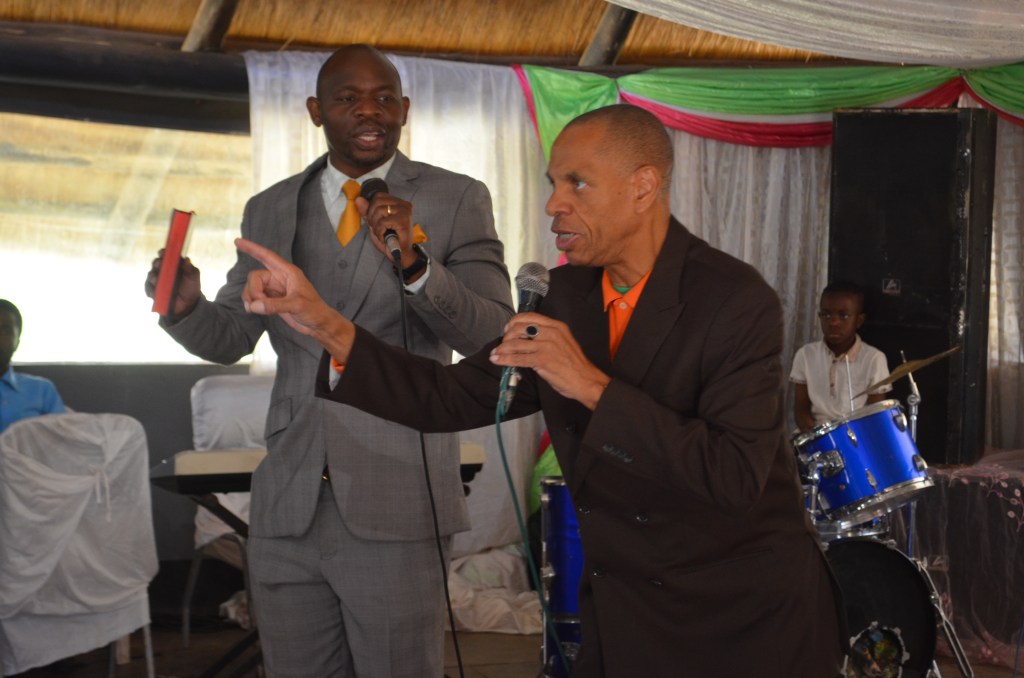
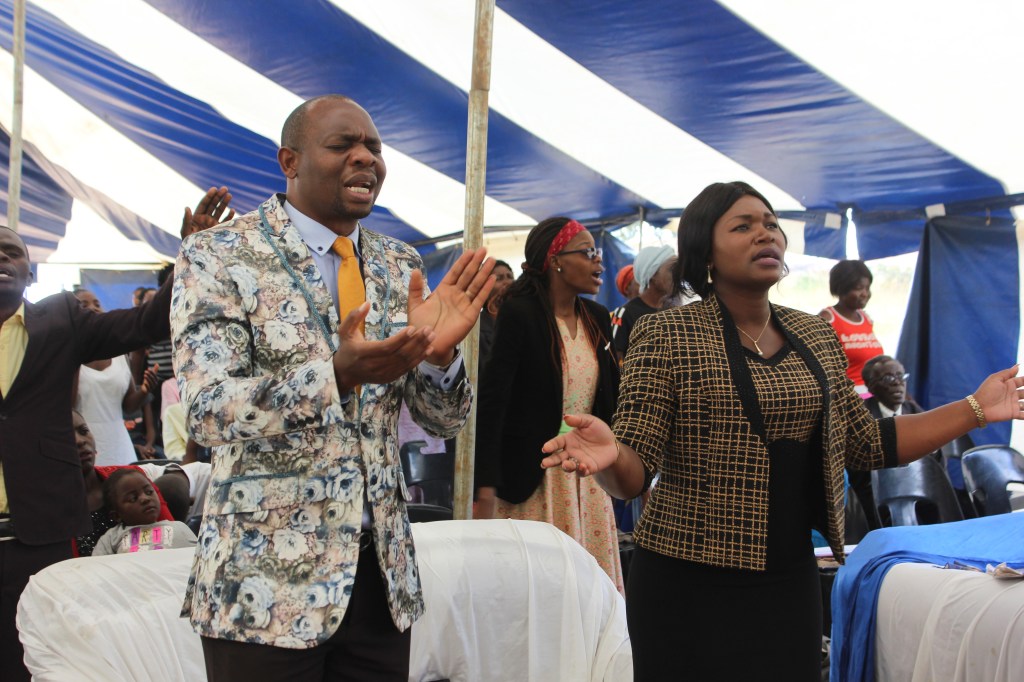
 Break Free Ministries International